Recently, Tiansheng Yuan Hydrogen successfully completed the centralized delivery of a batch of 1000Nm³/h alkaline hydrogen production equipment. The batch has arrived at the site of a large-scale green ammonia and alcohol project in China and will soon commence installation. Unlike previous instances, all the electrolyzers delivered this time underwent factory performance testing at Tiansheng Yuan Hydrogen's Yangzhou base electrolyzer testing platform. Only after passing core performance tests were the devices shipped to the project site.
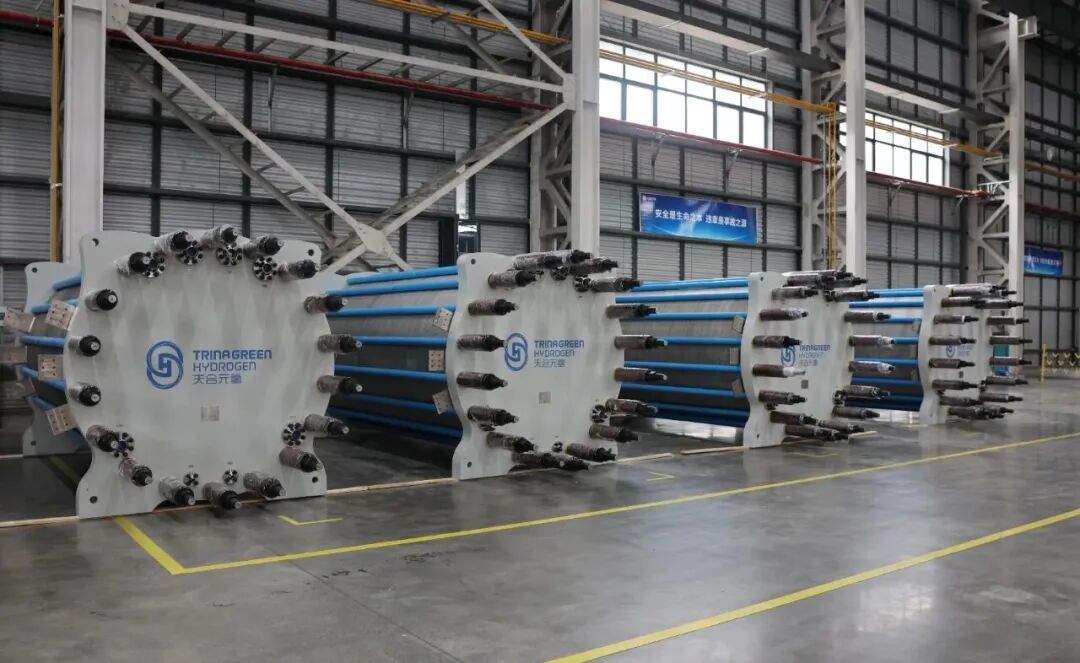
The factory testing capability of electrolytic cells has always been the core service element that users of large-scale hydrogen ammonia alcohol projects are most concerned about. Since the completion and operation of the Trina Green Hydrogen production testing platform, more than 50MW of equipment testing tasks have been completed. The platform covers an area of approximately 2000 square meters and is compatible with testing requirements for hydrogen production systems with a full range of 500-2000Nm ³/h. The platform can not only complete basic testing and analysis of equipment performance, but also conduct in-depth verification and research on key aspects such as electrolytic cell performance and system control. The platform has built a central control room and deployed a self-developed comprehensive energy management system, which integrates four functions: operation monitoring, analysis and diagnosis, coordinated control, and station management. It has established a three-level safety control system from equipment, systems to stations, achieving full level verification, research, and analysis of the hydrogen production system.
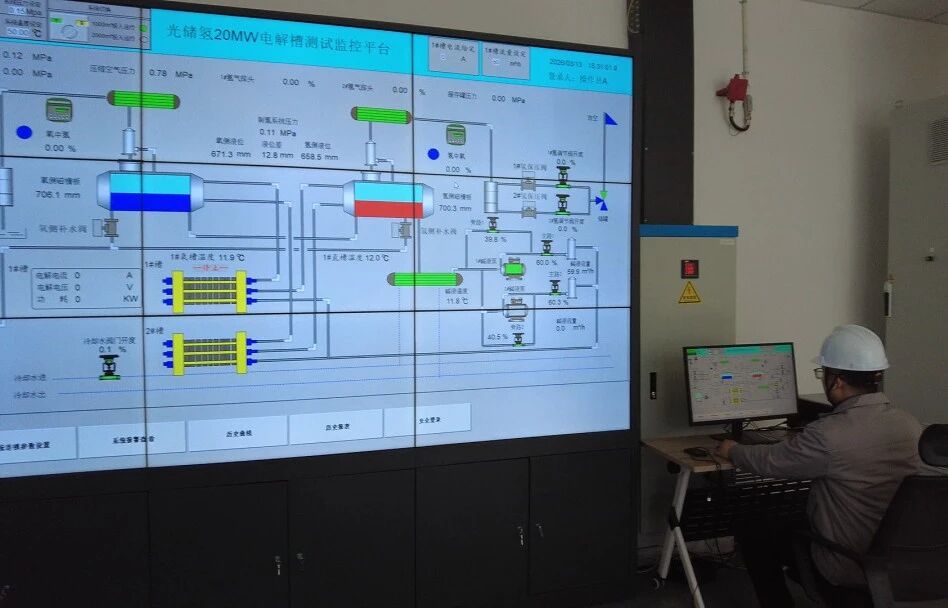
In the execution of testing standards, the platform always controls every aspect with strict requirements. In terms of mechanical safety, a pressure resistance test of 1.15 to 1.5 times the rated pressure is conducted to ensure that the equipment's pressure bearing capacity and pressure drop indicators meet the regulatory requirements; At the same time, various testing methods such as pressure drop method, soap bubble method, helium detection, etc. are used to comprehensively investigate the airtightness and leakage rate of the equipment, strictly prevent safety risks such as hydrogen leakage and hydrogen oxygen leakage, and synchronously check the insulation performance and grounding resistance of the equipment to build a strong electrical safety defense line. In the performance calibration stage, key indicators such as hydrogen production, hydrogen purity, and DC power consumption of the electrolytic cell are accurately calibrated under rated operating conditions. At the same time, the response sensitivity of the equipment start stop, interlock protection, and alarm system is checked to ensure that the equipment has complete safety control capabilities.
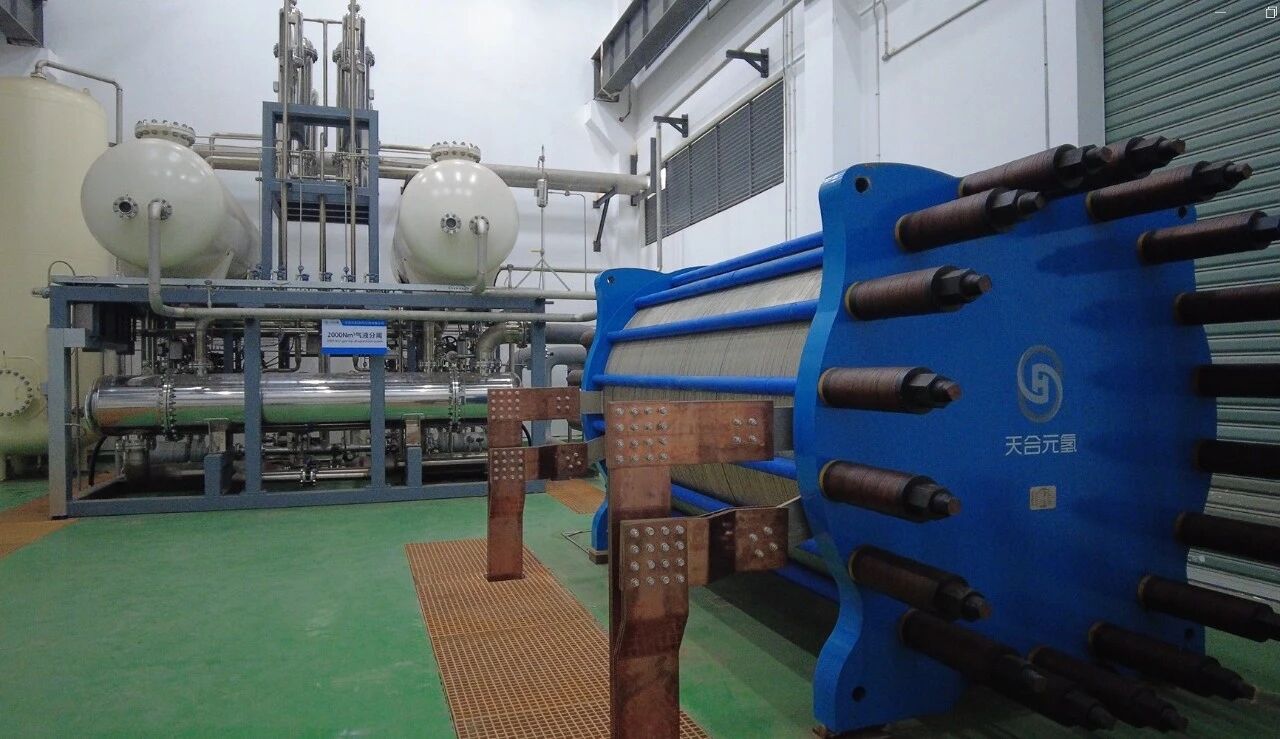
In terms of specialized research on electrolytic cell performance, the platform covers five core dimensions: steady-state performance, dynamic adaptability, durability and lifespan, hydrogen quality, and safety. In steady-state performance testing, data on electrolytic cell current, voltage, power, hydrogen production flow rate, purity, etc. are continuously collected under rated conditions and partial load conditions of 25%, 50%, 75%, etc., to accurately calculate unit hydrogen production energy consumption, current efficiency, and system efficiency. Hydrogen quality testing strictly follows the GB/T 3634.2 standard, accurately detecting impurities such as oxygen in hydrogen, hydrogen in oxygen, dew point, and particulate matter content to ensure that the product meets the grade standards of pure hydrogen, high-purity hydrogen, or ultra pure hydrogen. The safety special test is conducted in accordance with relevant standards such as GB 3836 to comprehensively verify the explosion-proof and electrical safety performance of the electrolytic cell, and to verify the reliability of emergency shutdown, pressure relief, interlock protection, fire and leakage detection systems, and comprehensively prevent production safety risks.
The testing platform not only complies with the domestic GB standard system, but also matches international testing standard systems such as ISO/CE/ASME. Among them, the alkaline electrolytic cell shall comply with standards such as GB/T19774 and GB32311; The PEM electrolytic cell is inspected according to the latest standards such as GB/T45539-2025 and GB/T45541-2025, and its performance, fluctuation, energy efficiency and other indicators meet the requirements of GB/T46104-2025 and other specifications.
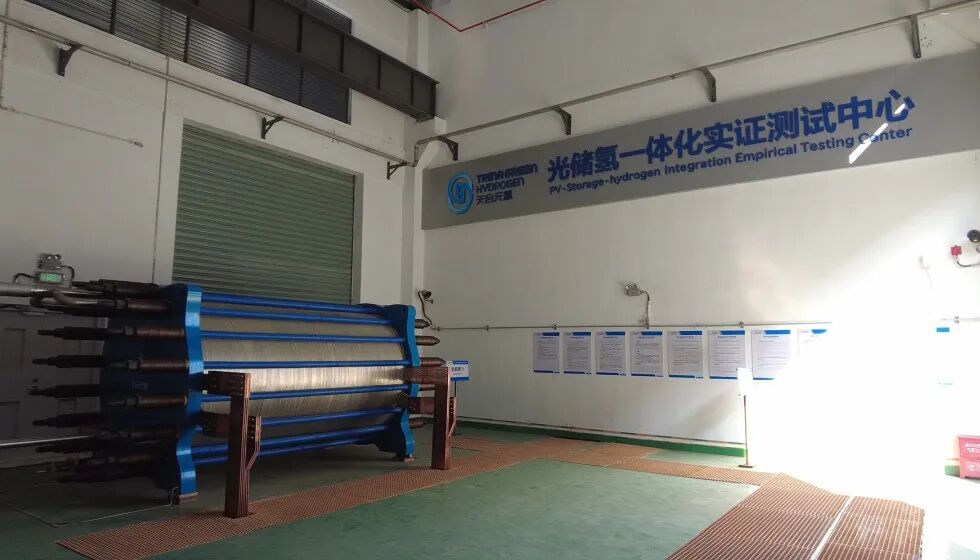
The electrolytic cell is the core equipment of the hydrogen production industry, and its testing and verification level directly affects the development quality of the entire industry. The orderly progress of the full process testing and verification work not only effectively guarantees the performance standards, safety compliance, and reliable service life of Trina Green Hydrogen electrolysis cell products, but also promotes the development of hydrogen production equipment testing technology towards standardization and refinement, laying a technical foundation for the large-scale and high-quality development of China's hydrogen production industry. Next, Trina Green Hydrogen will continue to optimize the testing and verification process, improve the testing technology system, and continuously enhance the reliability and stability of electrolytic cell products, injecting momentum into the green and low-carbon development of the hydrogen production industry.