On March 27th, Gao Haichun, Co Chairman of Trina Solar, Chairman of Trina Solar Wealth, and Chairman of Trina Solar Hydrogen, was invited to attend the "Asia New Energy Cooperation" sub forum of the Boao Forum for Asia 2026 Annual Conference. In his speech, he advocated that Trina Solar, which is committed to promoting the development of global renewable energy, is willing to cooperate with all parties around the world, including Asia, to promote energy transformation and develop safe, independent, green economy renewable energy through the overall solution of solar hydrogen storage smart energy.
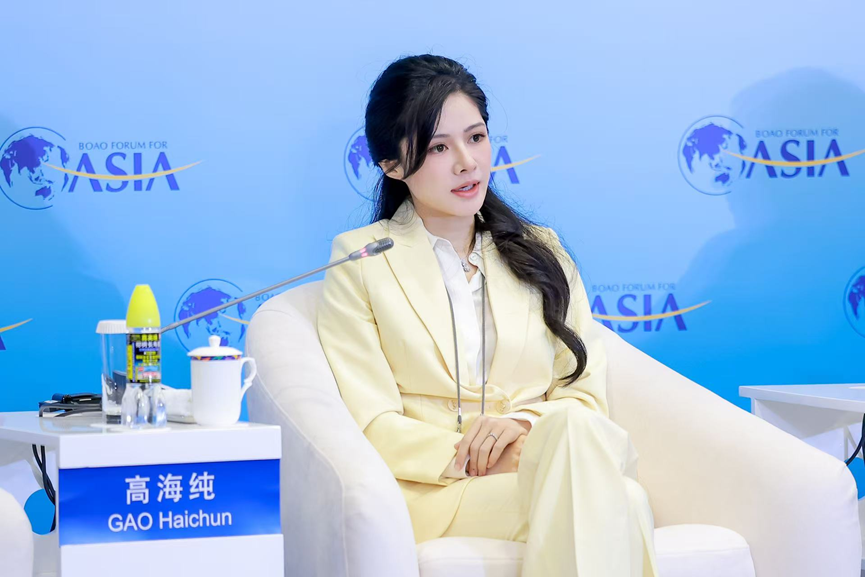
In his speech, Gao Haichun pointed out three fundamental trends in new energy: firstly, renewable energy has become the best guarantee for energy security in all countries. Geopolitics is complex, and energy security has become the core of ensuring security for all countries. The natural attributes of renewable energy are highly compatible with national security autonomy. As a representative of renewable energy, photovoltaics can effectively achieve energy security autonomy, greenness, and economy. Due to its distribution and local deployment capabilities, it has become the best partner for energy security for all countries. There is an ancient Chinese saying that goes, 'It's better to teach someone how to fish than to teach them how to fish.'. If the traditional energy era in the past was about "giving people fish" and exporting resources, then renewable energy must be about "giving people fish". Trina Solar has built photovoltaic and other renewable energy power plants around the world and has been operating for over 30 years. Through photovoltaic, energy storage, and microgrid infrastructure, countries, cities, parks, and even every household can achieve energy independence. Currently, China's annual increase in electricity demand is mainly supplied by renewable energy, setting an example for new energy countries with renewable energy as the mainstay. Photovoltaic is no longer just a icing on the cake on the traditional energy foundation of the past, but it is very likely to reconstruct the energy pattern and form of each country. For example, we can build independent microgrids for areas with relatively incomplete power grid infrastructure, allowing the local area to have an independent and controllable energy system, and even achieve "overtaking on the curve" in energy. Secondly, clean electricity has already complemented the development of AI in a positive cycle, supporting a new development model from electricity to tokens. The rapid development of AI is profoundly reshaping the socio-economic landscape, and behind computing power lies electricity, with the two being interdependent. The development of AI and computing power demand will greatly enhance the demand for energy, especially for green, economical, and stable energy. At the same time, high-quality energy will also attract the construction of more AI infrastructure and the development of AI applications. Taking China as an example, token exports have become a new form of trade. On the one hand, the clean, stable, and economical power grid infrastructure and energy built over the years have attracted a large number of investments in computing and data centers, promoting and supporting the development of China's AI industry. On the other hand, green and low-cost electricity also gives large model tokens trained in China a cost advantage globally. It can be said that the development of the AI industry and the power industry has become an inseparable twin. Thirdly, in the era of renewable energy, Asian countries will inevitably move towards close coordination of industrial chains. If the traditional energy era is resource driven, renewable energy is more like a global industrial chain. From upstream mineral resources to manufacturing technology and natural resources such as scenery and land, Asian countries have their own advantages. No country can occupy all the elements of the new energy industry chain. The development of renewable energy in Asian countries will inevitably move towards close coordination.
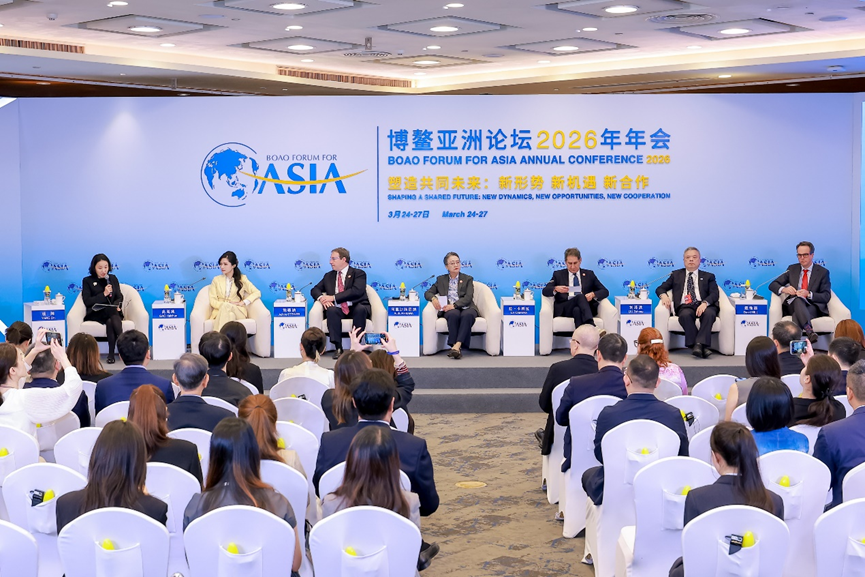
Under the three major trends, as a leading enterprise that has been deeply involved in the field of solar energy storage for nearly 30 years, Trina Solar is completing a strategic upgrade of its overall solution for smart energy storage. Gao Haichun said that on the one hand, through technological innovation and business model innovation, Trina Solar can support the country, cities, parks, and even individuals by providing a comprehensive solution from products, systems to long-term smart energy operations; On the other hand, to promote global cooperation, we bring advanced business or policy models to various countries and work together with local communities to promote the development of renewable energy. We look forward to building a solid power grid system, exploring more financial innovation models, achieving more efficient approval efficiency, and a more open and collaborative international cooperation model under the guidance of long-term, sustainable, and deterministic policies in various regions. This will be conducive to promoting the development of new energy in all countries better and faster.